
A huge part of my role as a health coach is to support people to set and maintain goals – in whatever way, shape or form that may be, breaking long term goals into small manageable chunks.
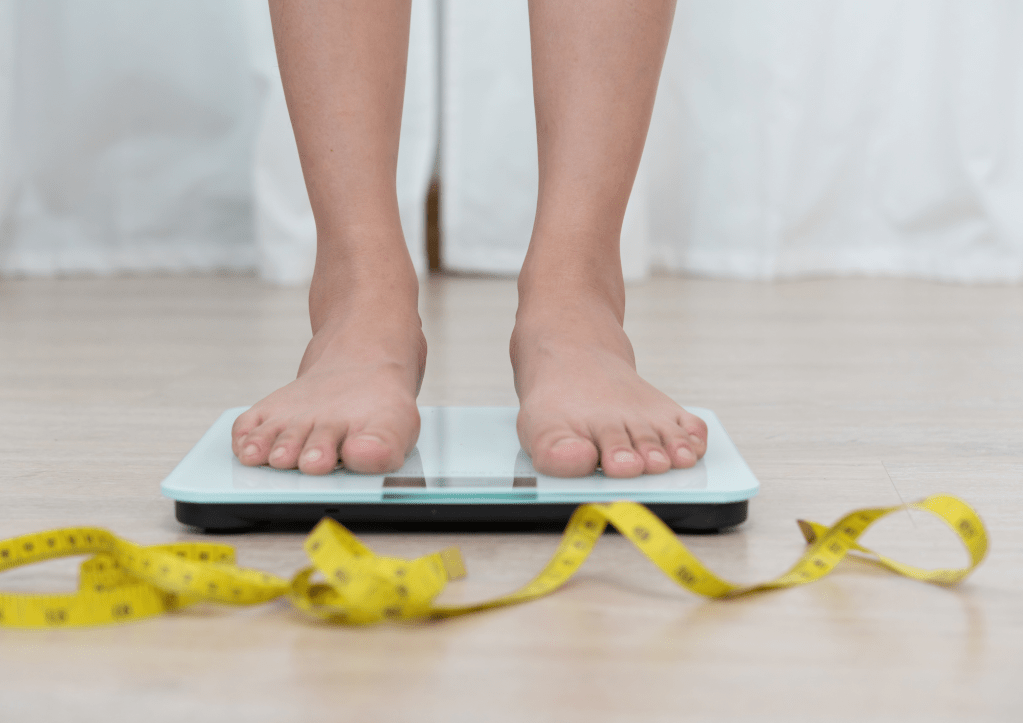
Goal setting is working towards creating habits that last for life. As dramatic as it sounds; making various small changes over time can create significant modifications in the future. Going in too hard too soon is often the reason for failure to meet goals. For example – and one I am guilty of – losing weight. I want to lose 13kgs as soon as possible and I try to do so but cutting out most of my food, restricting myself hugely and working out vigorously at the gym for 7 hours a week. Perhaps I will lose the weight, but the way I have done so is not a sustainable habit – one that inevitably leads me to binge eating, injuring myself, mood changes and time away from my home and my family – resulting in me succumbing to the inescapable mercy of weight gain yet again.
Goal setting is a process which requires regular review and evaluation in order for it to create a habit – something I do with my clients. I thought it would be useful to share the essentials of building a habit – as part of your own goal setting arsenal.
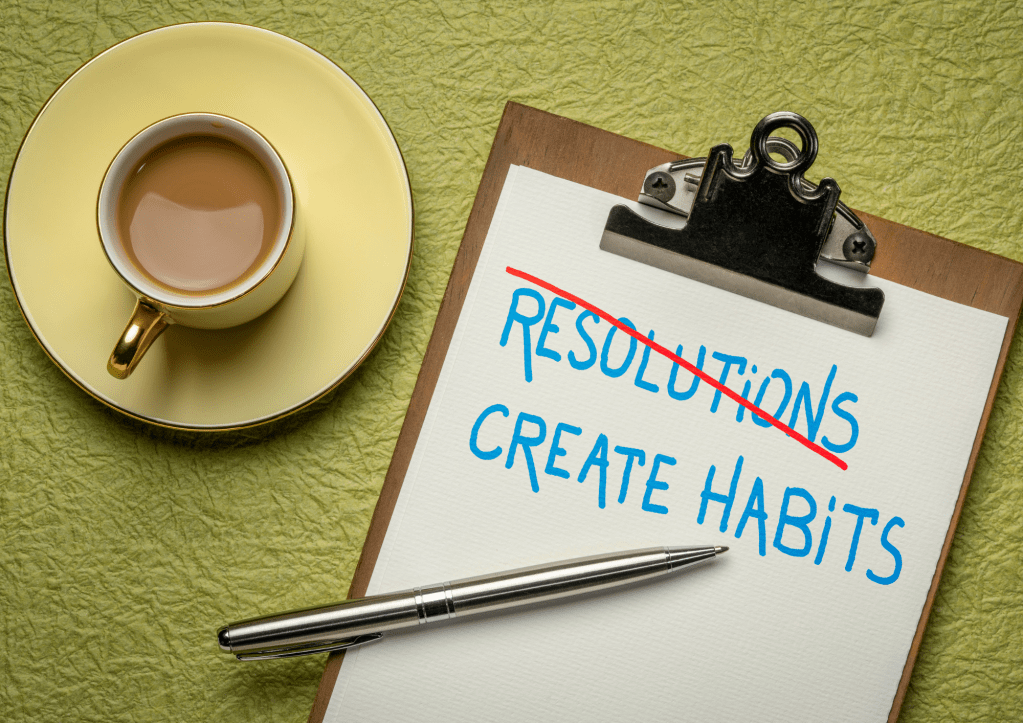
Building a habit

Research indicates that habits can start forming around 2 months in, however it really is really down to individual differences. The simpler the habit, the easier it is to stick with – for example drinking a glass of water a day vs implementing a regular exercise routine.
Once a goal is firmly converted into a habit, it becomes second nature, an automatic process and actually feels strange not to do it, especially when you have been following this ritual for some time. Also it’s really comforting to know that missing a goal marker doesn’t stop it becoming a habit. A little slip doesn’t mean you have failed … even science backs this up.
There has been a wealth of research on helping people through the process of creating a habit, rather than just giving them the information and reasons why the habit is needed, especially when it comes to the more complicated goals.
I use weight loss as an example, but it could be for anything. For example you go to the doctors and they say you have a high BMI, are overweight and at immediate risk of type 2 diabetes. The health care professional gives you some leaflets telling you all the scary things that could happen to you if you continue living your lifestyle in your current way – and perhaps a few links and paragraphs about what weight you should be and what you should be eating. It’s great to have that information to hand – however, how do you change that? Where on earth do you start? You could end up like me, trying to drop 13kg by causing huge disruptions to your own health and lifestyle which are impossible to maintain in everyday life., resulting in misery misery misery!
We need to set goals, break them into manageable chunks, set timescales, review, evaluate, support, modify – making habits that last a lifetime – habits that will stick!

It doesn’t have to be physical like exercise. Perhaps you are gravely miserable in your job – you’ve gone back to work after having a baby, you hate the work you are in, you are unsupported by your employer and it’s having a negative impact on your home life, your family and your mental health. You KNOW you need to change it but how the bloomin’ heck do you do that? Same principles. Small goals that accumulate to something significant over time. Sign on to the job site, scout jobs, work on a section of your CV each week, do a career quiz, take a mock interview, apply for a job etc etc. We often get hyper-focused on the end result – which would be flipping amazing but often lose sight of how to get there… and yes….it can take time and patience!
Let’s also not forget about accountability. I personally find that a habit is NAILS to stick to if I don’t have a cheerleader keeping me on track. (shout out to the husband that eats a whole loaf of garlic bread infront of me and expects me not to want some because I’m on a diet).
That’s what I’m here to do – I’m here to keep my clients on track with their goals, making them accountable (it really isn’t as scary as it sounds, no headmistress vibes here!) supporting them with apps, dairies, regular reviews, modifications – yes, we can change goals AT ANY TIME. And regular check ins. I’m your cheerleader guys, pom-poms n’all.

So if you’re feeling inspired to make a habit stick, follow some of the basic guidelines below to get started. Or book a session with me – I’ll keep you on track!
How to build a habit
Building a habit takes time, consistency, and strategy. Here’s a structured approach to developing a new habit successfully:
1. Start small
Begin with a manageable version of the habit you want to build. If you want to exercise daily, start with just 5-10 minutes instead of committing to an hour immediately. Small wins build momentum.
2. Anchor to an existing habit (habit stacking)
Tie your new habit to something you already do daily, for example:
- “After I brush my teeth, I will do 5 push-ups.”
- “After I drink my morning coffee, I will read 5 pages of a book.”
This method makes it easier to remember and follow through.
3. Make it easy & remove barriers
Reduce the friction between you and your habit:
- Lay out workout clothes the night before.
- Keep a book on your bedside table if you want to read more.
- Put your phone in another room if you’re trying to avoid distractions.
- Don’t buy the chocolate biscuits
4. Use triggers & reminders
- Visual cues: Pop a sticky note on your mirror or desk.
- Phone alarms: Set a reminder to prompt the habit at the same time each day. I have a friend who sets am alarm at 8pm every day, to remember to take her pill. She never forgets!
- Accountability partner: Tell a friend about your habit and check in with each other.
5. Track progress & reward yourself
- Use a habit tracker (app or a simple checklist).
- Reward yourself with something small (a break, a treat, or acknowledging your success). Remember, breaking a habit occasionally won’t lead to failure.
- Seeing your progress builds motivation to continue.
Sticker charts ain’t just for the kids people!
6. Commit to a timeframe
It typically takes 21 to 66 days to form a habit, depending on its complexity. Set a goal to stick with it for at least a month to make it feel more automatic. If it doesn’t work, review and re-set the goal to meet your lifestyle demand. Honestly – it’s taken me 3 years to find an exercise routine that I stick to every week after constant review and evaluation!
7. Be flexible & forgive setbacks
- If you miss a day, don’t quit. Just start again the next day.
- Adjust when necessary. If an approach isn’t working, modify it instead of abandoning it.
If you regularly break the habit – have a look into why that happens? For example, do you keep sneaking the choccy biccies? Is it because you’ve restricted them completely out of your diet. Work it in to your weekly meal plan! If it’s not forbidden, you will be less likely to crave it so much. I have to admit – one of my biggest habit successes is cutting out chocolate snacks in the evening but sometimes I will treat myself to a few choccy buttons. I crave them less because I have broken that habit (there’s some science behind sugar intake leaving you wanting more and the more you regularly eat, the less satisfied it will make you each time, making you eat even more to get that high), but I will make allowances – especially at certain times of the month 😉
8. Shift your mindset: become the person who reaches their goals
Instead of saying, “I’m trying to exercise more,” reframe it as “I am someone who prioritises movement and takes care of my body.” Or, instead of saying, “I want to find another job because this one makes me unhappy,” try, “I am a skilled individual who deserves to do work that I love.” When your mindset is aligned with your personal goals, your actions will naturally follow, making success a reflection of who you are, rather than just something you strive to achieve.
 Fresh Perspective health coaching
Leave a comment